

Exploring Reliable Methods for Identifying Parts
- Aug 7, 2025
- 4 min read
When working with vehicles, whether restoring a classic car or repairing a modern one, identifying the right parts is crucial. Using the wrong component can lead to poor performance or even damage. Over the years, I have learned that having reliable methods for identifying auto parts effectively saves time, money, and frustration. In this post, I will share practical insights and proven techniques that help pinpoint the exact parts you need, ensuring your projects run smoothly.
Why Identifying Auto Parts Effectively Matters
Identifying auto parts effectively is more than just a step in the repair process - it’s the foundation of quality work. When you know exactly what part you need, you avoid ordering incorrect items, reduce downtime, and maintain vehicle safety. For example, a brake pad for one model might look similar to another but have different specifications. Installing the wrong one could compromise braking performance.
In my experience, the key to effective identification lies in combining visual inspection with reliable reference tools. This approach helps confirm part numbers, compatibility, and manufacturer details. It also makes communication with suppliers and mechanics clearer, reducing errors.

Practical Techniques for Identifying Auto Parts
There are several practical techniques I use regularly to identify parts accurately. Here are some of the most effective:
Check Part Numbers and Labels
Most OEM (Original Equipment Manufacturer) parts come with stamped or printed part numbers. These numbers are unique identifiers. If you find a number on the part, you can cross-reference it with catalogs or online databases to confirm its identity.
Use Visual Comparison
Comparing the part in question with images from trusted sources helps verify shape, size, and connection points. This is especially useful for parts like filters, belts, and sensors.
Consult Vehicle Manuals and Catalogs
Vehicle service manuals and parts catalogs provide detailed diagrams and part numbers. These resources are invaluable for matching parts to specific models and years.
Leverage Online Resources
Websites like AllCatalogs offer comprehensive access to OEM and aftermarket parts catalogs. Using such platforms can simplify the search process by providing detailed listings and compatibility information.
Ask for Expert Advice
Sometimes, reaching out to experienced mechanics or parts specialists can clarify doubts. They often recognize parts by sight or can guide you to the right resources.
By combining these methods, you can confidently identify parts and avoid costly mistakes.
What are the Different Types of Marking Machines?
Marking machines play a significant role in the automotive industry by helping manufacturers and suppliers label parts for easy identification. Understanding the types of marking machines can also assist professionals in recognizing how parts are marked and traced.
Dot Peen Marking Machines
These machines use a stylus to create a series of dots on the surface of a part, forming numbers or letters. The marks are durable and suitable for metal components like engine blocks or chassis parts.
Laser Marking Machines
Laser marking offers high precision and permanence. It can engrave serial numbers, barcodes, or QR codes on various materials without damaging the part. This method is common for high-value or safety-critical components.
Inkjet Marking Machines
Inkjet printers apply ink-based markings on parts. While less permanent than laser or dot peen, they are useful for temporary labels during manufacturing or shipping.
Electrochemical Etching Machines
These machines use an electric current to etch markings into metal surfaces. The process is clean and produces clear, corrosion-resistant marks.
Knowing these marking methods helps when you encounter parts with different types of identification marks. It also aids in understanding the durability and traceability of the markings.

How to Use Technology to Enhance Parts Identification
Technology has transformed how we identify auto parts. Here are some tools and techniques I recommend:
Mobile Apps with Barcode and QR Code Scanners
Many parts now come with barcodes or QR codes. Using a smartphone app to scan these codes instantly provides part details, manufacturer info, and compatibility.
Digital Parts Catalogs
Instead of flipping through paper manuals, digital catalogs allow quick searches by part number, vehicle make, or model. Platforms like AllCatalogs centralize this information, making it easier to find OEM and aftermarket parts.
Augmented Reality (AR) Tools
Some advanced apps use AR to overlay part information when you point your device at a component. This can be a game-changer for complex assemblies.
Online Forums and Communities
Engaging with online automotive communities can provide insights and identification help from enthusiasts and professionals worldwide.
Using these technologies not only speeds up the identification process but also reduces errors and improves confidence in the parts you select.
Tips for Avoiding Common Mistakes in Parts Identification
Even with the best methods, mistakes can happen. Here are some tips I follow to minimize errors:
Double-Check Part Numbers
Always verify the part number from multiple sources before ordering or installing.
Be Wary of Visual Similarities
Parts that look alike may have subtle differences. Pay attention to dimensions, connectors, and mounting points.
Confirm Vehicle Specifications
Ensure the part matches the vehicle’s make, model, year, and engine type.
Keep Records
Document part numbers and sources for future reference. This helps if you need replacements or warranty claims.
Use Trusted Suppliers
Buying from reputable dealers or platforms reduces the risk of counterfeit or incorrect parts.
By staying vigilant and methodical, you can avoid common pitfalls and ensure your vehicle gets the right components.
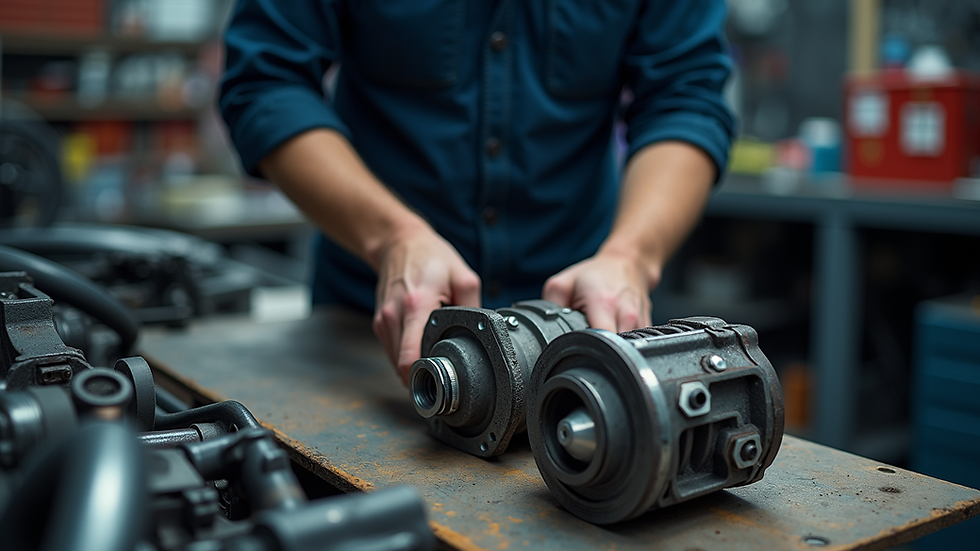
Finding the Right Parts Made Simple
In my journey, I’ve found that the best way to identify parts accurately is to combine hands-on inspection with reliable information sources. Whether you’re dealing with a rare vintage car or a modern vehicle, using a mix of visual checks, part numbers, and trusted catalogs is essential.
If you want to explore more about parts identification methods, I highly recommend visiting AllCatalogs. It’s an excellent resource that brings together OEM and aftermarket catalogs for all major car brands in one place. This makes it incredibly easy to find the exact part you need without endless searching.
Remember, the right part means better performance, safety, and peace of mind. Take your time, use the tools available, and you’ll master the art of identifying auto parts effectively.
By applying these reliable methods, you can confidently tackle any parts identification challenge. Whether you’re a professional or a passionate enthusiast, having the right information at your fingertips makes all the difference. Happy repairing!


Comments